Benefits of Dental Crowns
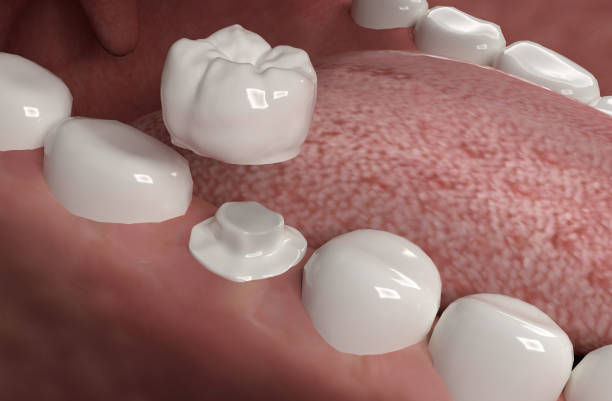
Dental crowns are a popular restorative dental treatment that can improve the appearance, strength, and function of damaged or weakened teeth. They are custom-made caps that fit over the entire visible portion of a tooth, protecting it from further damage and restoring its shape, size, and appearance.
Dental crowns can provide a range of benefits, such as strengthening a tooth that has been significantly damaged, improving the aesthetics of discolored or misshapen teeth, and restoring the functionality of a tooth that has been compromised by decay or other issues. They are a durable and long-lasting solution for maintaining oral health and improving the overall quality of a patient's smile.
Dental Crown Procedure
The process of getting a dental crown typically involves several steps, starting with the dentist preparing the tooth by removing a small amount of enamel to create space for the crown. Impressions or digital scans are then taken of the prepared tooth, which are used to create a custom-made crown that fits the tooth perfectly.
While the permanent crown is being fabricated, the dentist will place a temporary crown to protect the prepared tooth. Once the permanent crown is ready, the dentist will carefully cement it in place, ensuring a secure and comfortable fit. With proper care and maintenance, a dental crown can last for many years, providing a lasting solution for patients who require this type of dental restoration.
Dental Crown Materials
Dental crowns can be made from a variety of materials, each with its own unique properties and advantages. Common crown materials include gold, porcelain-fused-to-metal, all-ceramic, and zirconia.
Gold crowns are known for their strength and durability, making them a good choice for back teeth that experience higher levels of chewing and biting forces. Porcelain-fused-to-metal crowns combine the strength of metal with the aesthetic appeal of porcelain, offering a natural-looking solution that is also highly durable. All-ceramic and zirconia crowns are becoming increasingly popular as they provide an excellent blend of strength and natural-looking aesthetics, making them a popular choice for front teeth and visible areas of the mouth.
Caring for Dental Crowns
Proper care and maintenance of dental crowns is essential to ensure their longevity and the overall health of the teeth and gums. This includes maintaining good oral hygiene habits, such as brushing and flossing regularly, and scheduling routine dental check-ups and cleanings.
Patients with dental crowns should also be mindful of their dietary habits, as certain foods and beverages can potentially damage or discolor the crowns over time. Additionally, it is important to avoid habits such as teeth grinding or clenching, as these can put excessive pressure on the crowns and lead to premature wear or even cracking.
Benefits of Dental Crowns
Dental crowns are a popular restorative dental treatment that can improve the appearance, strength, and function of damaged or weakened teeth. They are custom-made caps that fit over the entire visible portion of a tooth, protecting it from further damage and restoring its shape, size, and appearance.
Dental crowns can provide a range of benefits, such as strengthening a tooth that has been significantly damaged, improving the aesthetics of discolored or misshapen teeth, and restoring the functionality of a tooth that has been compromised by decay or other issues. They are a durable and long-lasting solution for maintaining oral health and improving the overall quality of a patient's smile.
Dental Crown Procedure
The process of getting a dental crown typically involves several steps, starting with the dentist preparing the tooth by removing a small amount of enamel to create space for the crown. Impressions or digital scans are then taken of the prepared tooth, which are used to create a custom-made crown that fits the tooth perfectly.
While the permanent crown is being fabricated, the dentist will place a temporary crown to protect the prepared tooth. Once the permanent crown is ready, the dentist will carefully cement it in place, ensuring a secure and comfortable fit. With proper care and maintenance, a dental crown can last for many years, providing a lasting solution for patients who require this type of dental restoration.
Dental Crown Materials
Dental crowns can be made from a variety of materials, each with its own unique properties and advantages. Common crown materials include gold, porcelain-fused-to-metal, all-ceramic, and zirconia.
Gold crowns are known for their strength and durability, making them a good choice for back teeth that experience higher levels of chewing and biting forces. Porcelain-fused-to-metal crowns combine the strength of metal with the aesthetic appeal of porcelain, offering a natural-looking solution that is also highly durable. All-ceramic and zirconia crowns are becoming increasingly popular as they provide an excellent blend of strength and natural-looking aesthetics, making them a popular choice for front teeth and visible areas of the mouth.
Caring for Dental Crowns
Proper care and maintenance of dental crowns is essential to ensure their longevity and the overall health of the teeth and gums. This includes maintaining good oral hygiene habits, such as brushing and flossing regularly, and scheduling routine dental check-ups and cleanings.
Patients with dental crowns should also be mindful of their dietary habits, as certain foods and beverages can potentially damage or discolor the crowns over time. Additionally, it is important to avoid habits such as teeth grinding or clenching, as these can put excessive pressure on the crowns and lead to premature wear or even cracking.