Understanding Invisalign Treatment
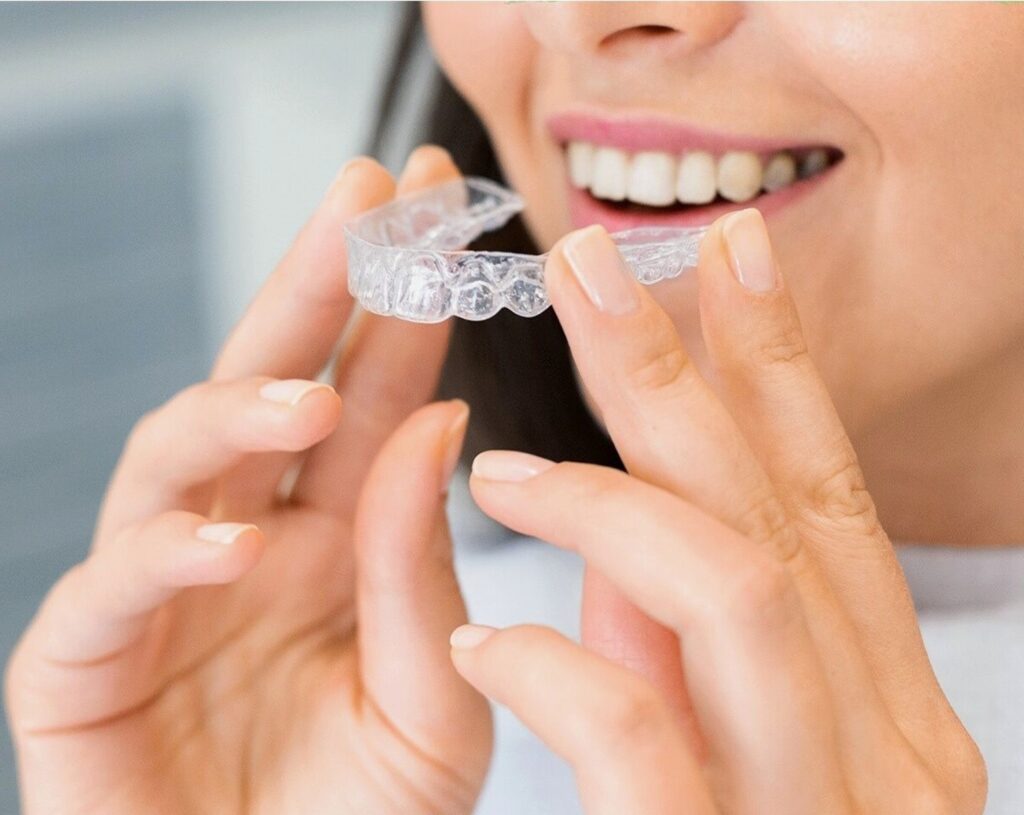
Invisalign is a popular orthodontic treatment option that uses a series of clear, removable aligners to gradually straighten teeth. This treatment is designed to be a discreet and comfortable alternative to traditional metal braces.
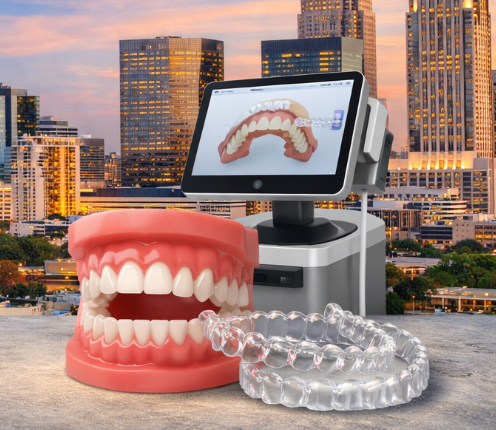
The Invisalign process involves custom-made aligners that are tailored to the individual's teeth and bite alignment. These aligners are replaced every few weeks as the teeth gradually shift into their desired positions. Invisalign offers a range of benefits, including improved aesthetics, increased comfort, and easier oral hygiene during treatment.
Invisalign for Restorative Dentistry
In addition to straightening teeth, Invisalign can also be used as part of a comprehensive restorative dentistry plan. By aligning the teeth, Invisalign can improve the overall health and function of the mouth, making it easier to maintain good oral hygiene and prepare the teeth for additional treatments, such as dental implants or crowns.
Invisalign's ability to precisely move teeth into their optimal positions can be particularly beneficial for patients who require complex dental work. By addressing any misalignment beforehand, the restorative process can be streamlined, leading to better long-term outcomes and a more attractive, functional smile.
Choosing Invisalign for a Smile Makeover
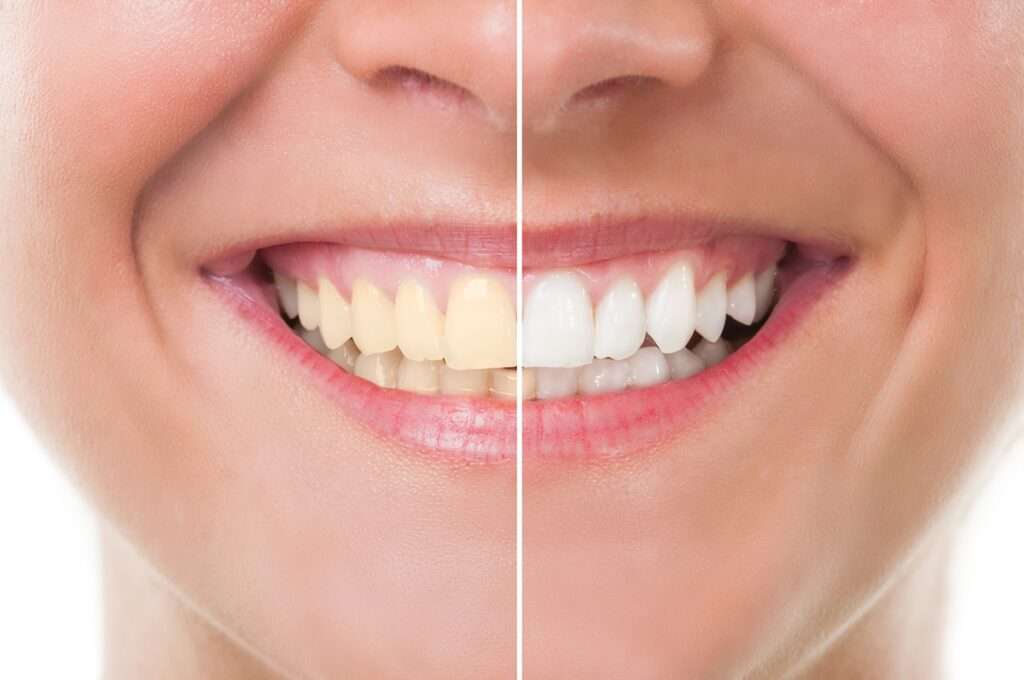
A smile makeover is a comprehensive approach to enhancing the appearance and function of the teeth, gums, and overall smile. Invisalign can be a key component of a smile makeover, as it can address alignment issues and prepare the teeth for other cosmetic treatments, such as veneers or teeth whitening.
By incorporating Invisalign into a smile makeover plan, patients can achieve a straighter, more uniform smile that serves as a strong foundation for additional cosmetic enhancements. This integrated approach can lead to more dramatic and long-lasting results, helping patients to achieve their desired smile goals.
Exploring Alternatives to Traditional Braces
While traditional metal braces have been the standard orthodontic treatment for many years, advancements in dental technology have led to the development of alternative solutions, such as Invisalign. These newer options offer various benefits, including improved aesthetics, increased comfort, and more flexibility in daily life.
Patients considering orthodontic treatment should carefully evaluate the pros and cons of Invisalign versus traditional braces to determine the best fit for their individual needs and preferences. Factors such as the complexity of the case, treatment timeline, and personal preferences can all play a role in the decision-making process.
Understanding Invisalign Treatment
Invisalign is a popular orthodontic treatment option that uses a series of clear, removable aligners to gradually straighten teeth. This treatment is designed to be a discreet and comfortable alternative to traditional metal braces.
The Invisalign process involves custom-made aligners that are tailored to the individual's teeth and bite alignment. These aligners are replaced every few weeks as the teeth gradually shift into their desired positions. Invisalign offers a range of benefits, including improved aesthetics, increased comfort, and easier oral hygiene during treatment.
Invisalign for Restorative Dentistry
In addition to straightening teeth, Invisalign can also be used as part of a comprehensive restorative dentistry plan. By aligning the teeth, Invisalign can improve the overall health and function of the mouth, making it easier to maintain good oral hygiene and prepare the teeth for additional treatments, such as dental implants or crowns.
Invisalign's ability to precisely move teeth into their optimal positions can be particularly beneficial for patients who require complex dental work. By addressing any misalignment beforehand, the restorative process can be streamlined, leading to better long-term outcomes and a more attractive, functional smile.
Choosing Invisalign for a Smile Makeover
A smile makeover is a comprehensive approach to enhancing the appearance and function of the teeth, gums, and overall smile. Invisalign can be a key component of a smile makeover, as it can address alignment issues and prepare the teeth for other cosmetic treatments, such as veneers or teeth whitening.
By incorporating Invisalign into a smile makeover plan, patients can achieve a straighter, more uniform smile that serves as a strong foundation for additional cosmetic enhancements. This integrated approach can lead to more dramatic and long-lasting results, helping patients to achieve their desired smile goals.
Exploring Alternatives to Traditional Braces
While traditional metal braces have been the standard orthodontic treatment for many years, advancements in dental technology have led to the development of alternative solutions, such as Invisalign. These newer options offer various benefits, including improved aesthetics, increased comfort, and more flexibility in daily life.
Patients considering orthodontic treatment should carefully evaluate the pros and cons of Invisalign versus traditional braces to determine the best fit for their individual needs and preferences. Factors such as the complexity of the case, treatment timeline, and personal preferences can all play a role in the decision-making process.