

Dental procedures encompass preventive, restorative, cosmetic, orthodontic, and surgical treatments that maintain oral health and restore function, ensuring patients enjoy comfortable smiles and lasting wellness. This article guides patients through common treatments—from cleanings and fillings to implants and orthodontics—while explaining costs, insurance, recovery, and preparation. Readers will learn: treatments
- Which core procedures address cavities, infections, and missing teeth
- How preventive care reduces complex treatments
- Cosmetic options for a brighter smile
- What to expect during and after treatment
- How implants and braces restore function and alignment
- Strategies for managing costs, insurance, and after-care
What Are the Most Common Dental Procedures Patients Should Know?
Common dental procedures cover preventive, restorative, and surgical care that together preserve oral health and address tooth damage. Understanding these treatments helps patients make informed choices and reduces anxiety about visits. Five core procedures include professional cleanings, fillings, root canals, extractions, and crowns or bridges.
- Dental cleaning
- Dental filling
- Root canal therapy
- Tooth extraction
- Dental crowns and bridges
Each procedure plays a specific role in preventing or treating decay, infection, and tooth loss, forming the foundation for long-term oral wellness.
What Is a Dental Cleaning and Why Is It Important?

A dental cleaning is a preventive procedure that removes plaque and tartar to halt gum disease and cavity formation, promoting healthy teeth and fresh breath. During a cleaning, a hygienist uses specialized instruments to scale away deposits, polish enamel, and apply fluoride for added protection. Regular cleanings every six months detect issues early and support overall
.
How Do Dental Fillings Repair Tooth Decay?
Dental fillings restore the structure of a tooth damaged by decay, preventing further infection and restoring chewing function. After removing decayed tissue, the dentist fills the cavity with composite resin or amalgam, sealing the tooth. Properly placed fillings stop bacteria from re-invading and preserve natural tooth material. We specialize in tooth fillings.
Below is a comparison of common filling materials:
| Entity | Attribute | Value |
|---|---|---|
| Composite resin | Appearance | Tooth-colored |
| Composite resin | Durability | 5–7 years |
| Amalgam | Strength | High resistance to chewing forces |
| Amalgam | Visibility | Metallic appearance |
This comparison highlights how material choice balances aesthetics and longevity before exploring endodontic care.
What Happens During a Root Canal Procedure?
Root canal therapy treats an infected or inflamed tooth pulp by removing bacteria and sealing the root canals to save the tooth. The dentist or endodontist numbs the area, creates an opening, cleans and shapes the canal, then fills it with gutta-percha. A crown is often placed afterward to restore strength and appearance.
- Local anesthesia ensures comfort
- Canal cleaning eliminates infection
- Sealing prevents reinfection
- Crowning restores function
Successful root canal therapy relieves pain and preserves the natural tooth, setting the stage for possible replacement options if extraction becomes necessary.
When Is a Tooth Extraction Necessary and What Should Patients Expect?
Tooth extraction is a surgical procedure to remove a tooth that is severely damaged, infected, or impacted, preventing spread of infection and protecting adjacent teeth. Under anesthesia, the dentist loosens the tooth and removes it, then provides gauze to control bleeding. Post-extraction care includes pain management, cold packs, and soft foods.
| Entity | Attribute | Value |
|---|---|---|
| Simple extraction | Complexity | Low |
| Simple extraction | Recovery time | 1–2 days |
| Surgical extraction | Complexity | Moderate to high |
| Surgical extraction | Recovery time | 3–7 days |
Understanding extraction types helps patients prepare for recovery and discuss replacement options like dental implants or bridges.
How Do Dental Crowns and Bridges Restore Damaged or Missing Teeth?
Dental crowns cap weakened or cracked teeth to restore shape, strength, and appearance, while bridges replace one or more missing teeth by anchoring artificial teeth to adjacent crowns. Crowns are fabricated from porcelain, ceramic, or metal alloys and cemented over prepared teeth. Bridges fill gaps, preventing shifting and preserving bite alignment.
- Crowns strengthen restored teeth
- Bridges maintain bite balance
- Both enhance chewing and speaking
These restorative options complete the spectrum of core treatments, leading naturally into preventive care strategies.
What Preventive Dental Procedures Help Maintain Long-Term Oral Health?
Preventive procedures focus on early detection and protection against decay and disease, reducing the need for complex treatments. Key preventive services include X-rays, fluoride treatments, sealants, and routine checkups.
How Do Dental X-Rays Support Early Diagnosis?
Dental X-rays are diagnostic images that reveal cavities, bone loss, and impacted teeth not visible during a routine exam, enabling early intervention. Modern digital X-rays use low radiation doses and capture high-resolution images in seconds, guiding treatment planning and preventive measures. Dental X-rays are vital for proper diagnosis and treatment planning.
This safe diagnostic tool uncovers hidden issues, paving the way for targeted preventive treatments.
What Are Fluoride Treatments and Dental Sealants?
Fluoride treatments strengthen enamel by enhancing mineral content, while sealants create a protective barrier over chewing surfaces to block cavities. Fluoride varnish is painted on teeth in minutes, and sealants are applied as a liquid that hardens into a durable coating.
- 0.5% fluoride varnish reduces decay up to 37%
- Sealants lower pit-and-fissure cavities by 80%
These treatments work together to reinforce enamel and prevent decay, reducing the frequency of
.
Why Are Regular Dental Checkups Essential for Oral Health?
Regular dental checkups combine clinical exams, professional cleanings, and patient education to monitor oral health, detect early signs of disease, and reinforce good hygiene habits. During checkups, dentists evaluate gum health, tooth stability, and overall oral condition, creating personalized care plans.
Ongoing checkups foster preventive care, setting the stage for cosmetic and restorative options when needed.
How Does Preventive Care Reduce the Need for Complex Treatments?
Consistent preventive care intercepts decay and gum disease at early stages, avoiding invasive procedures like root canals, crowns, or extractions. By addressing plaque, bacteria, and lifestyle factors promptly, patients save time, discomfort, and expense over their lifetime.
Effective preventive habits cultivate a healthy mouth and lessen complex treatment demands.
What Cosmetic Dental Procedures Can Enhance Your Smile?
Cosmetic dentistry improves tooth color, shape, and alignment to boost confidence and aesthetics. Popular cosmetic procedures include whitening, veneers, bonding, and gum contouring.
How Does Professional Teeth Whitening Work and What Are the Benefits?
Professional whitening uses high-concentration bleaching agents activated by light or laser to break down deep stains, offering faster and longer-lasting results than over-the-counter kits. Sessions typically last one hour and lighten teeth up to eight shades, enhancing smile brightness safely under dental supervision.
Patients gain a radiant smile with minimal sensitivity when following post-whitening care guidelines.
What Are Dental Veneers and When Are They Recommended?
Dental veneers are thin porcelain or composite shells bonded to the front of teeth to correct discoloration, chips, and minor misalignment. After minimal enamel removal, custom veneers are adhered in two visits, providing a durable, natural-looking enhancement for patients seeking a uniform smile.
Veneers combine strength and aesthetics, making them ideal for lasting cosmetic improvements.
How Does Dental Bonding Correct Minor Imperfections?
Dental bonding uses tooth-colored resin to fill chips, gaps, and discoloration in a single visit. The resin is molded and hardened with a curing light, blending seamlessly with natural enamel. Bonding offers a cost-effective way to refine a smile with minimal preparation.
This quick procedure restores aesthetics and function, preparing patients for more extensive contouring if desired.
What Is Gum Contouring and How Does It Improve Appearance?
Gum contouring sculpts excess gum tissue to reshape a “gummy” smile or even out asymmetrical gingival lines, using a precision laser or scalpel. Healing typically takes one to two weeks, revealing balanced proportions that frame teeth attractively.
Gum contouring enhances smile symmetry and can accompany restorative or orthodontic treatments for complete smile design.
What Should Patients Expect During and After Common Dental Procedures?
Knowing what happens before, during, and after treatments eases anxiety and improves outcomes. Procedures follow well-defined steps, from preparation to recovery.
What Is the Step-by-Step Process for a Dental Filling?
A dental filling procedure proceeds as follows:
- Local anesthesia numbs the area.
- Decayed enamel is removed with a drill or laser.
- The cavity is cleaned and dried.
- Filling material is placed and shaped.
- Resin fillings are cured with a light; amalgam sets naturally.
- Bite is checked and adjusted.
Each step protects tooth integrity and function, guiding patients toward proper post-care.
How Long Is Recovery After Tooth Extraction or Oral Surgery?
Recovery time depends on procedure complexity:
- Simple extractions: 1–2 days of mild discomfort
- Surgical orimpacted tooth removals: 3–7 days with possible swelling
Following post-op instructions—rest, ice packs, soft diet—ensures smooth healing and minimizes complications.
What Are Common Side Effects and How Can They Be Managed?
Mild pain, swelling, and bleeding are normal after many procedures. Management strategies include:
- Over-the-counter or prescribed pain relievers
- Cold compresses to reduce swelling
- Saltwater rinses to keep the area clean
Proper after-care accelerates healing and maintains comfort, leading into preparation tips for future visits.
How Can Patients Prepare for Their Dental Visit?
Preparation enhances comfort and efficiency:
- Brush and floss before your appointment
- Bring a list of questions or concerns
- Wear comfortable clothing and allow extra travel time
- Arrange for someone to drive you if sedation is planned
Being prepared supports a positive experience and clear communication with the dental team.
Dental Implants and Orthodontics: Restoring Function and Aesthetics
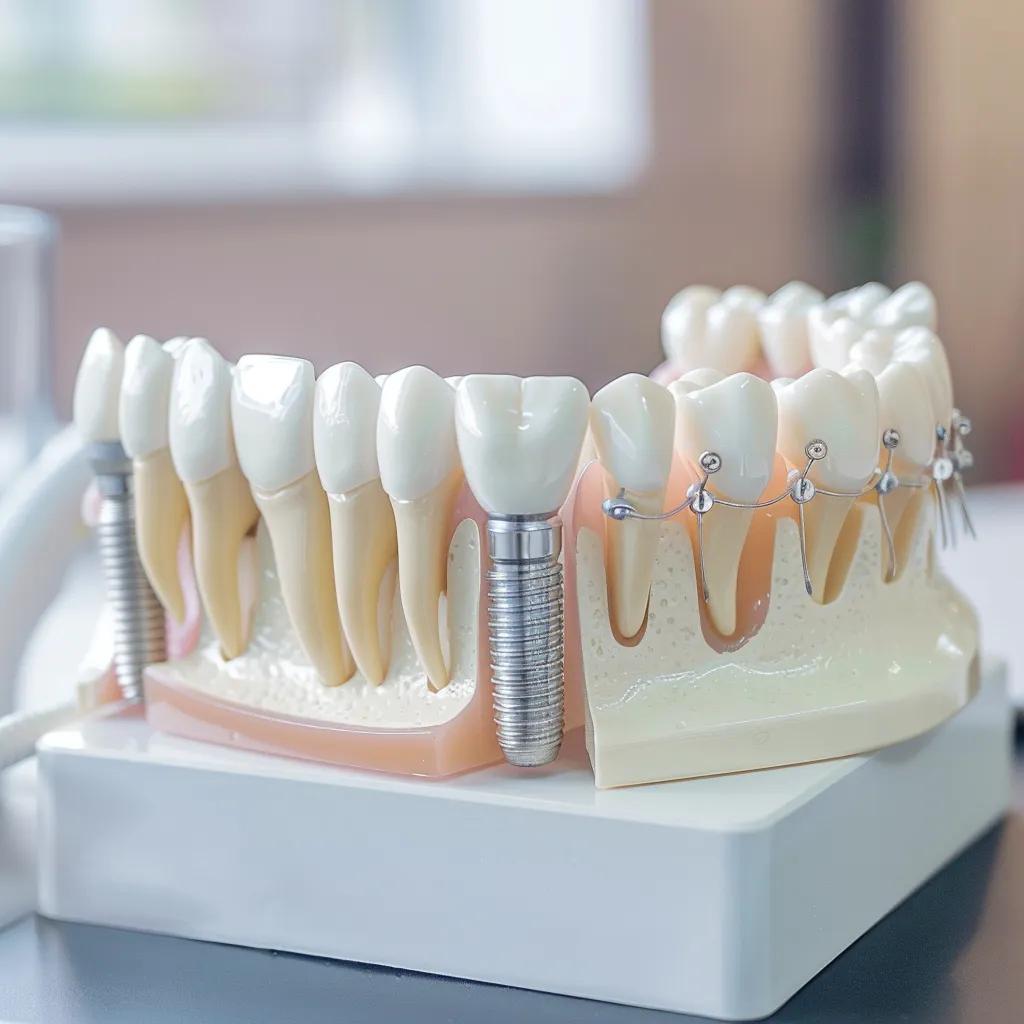
Restorative implants and orthodontic options correct missing or misaligned teeth, improving bite, speech, and appearance.
What Is the Dental Implant Procedure and Recovery Timeline?
Dental implant placement involves inserting a titanium post into the jawbone, allowing osseointegration over 3–6 months, followed by attachment of an abutment and crown. Recovery includes mild discomfort and a soft diet for two weeks. Implants replace missing teeth permanently and stimulate bone health.
How Do Braces and Invisalign Straighten Teeth Differently?
Braces use brackets and wires to apply continuous force to tooth roots, shifting teeth over 18–24 months. Invisalign uses clear, removable aligners replaced every 1–2 weeks to guide teeth into position. Both improve alignment and bite, but Invisalign offers a more discreet, removable option.
When Should Patients Consider Orthodontic Treatment?
Orthodontics is recommended for:
- Crooked or crowded teeth
- Bite issues (overbite, underbite, crossbite)
- Speech or chewing difficulties
- Jaw pain from misalignment
Early evaluation—often by age 7—allows timely intervention and simpler outcomes.
What Are the Benefits and Risks of Dental Implants?
Dental implants restore missing teeth with stability and natural appearance, preventing bone loss and adjacent tooth shifting. Risks include surgical complications, implant failure, or infection. Careful planning and oral hygiene minimize risks and promote long-term success. You can learn more about dental implants for better understanding.
How Can Patients Navigate Dental Procedure Costs and Insurance Coverage?
Understanding cost drivers and coverage options helps patients budget and maximize benefits.
What Factors Influence the Cost of Common Dental Procedures?
Procedure complexity, materials, location, and sedation needs drive cost variations. For example, a composite filling may cost less than a gold crown, while anesthesia adds to surgical fees. Geographical factors and provider expertise also affect pricing.
How Does Dental Insurance Typically Cover Treatments?
Most plans cover preventive care fully, basic restorative treatments partially, and require waiting periods for major procedures. Co-pays, deductibles, and annual maximums determine out-of-pocket expenses. Verifying benefits before treatment avoids surprises.
What Payment Options Are Available for Dental Care?
Modern Family Dental Care offers:
- In-office financing with low-interest plans
- Third-party credit options
- CareCredit® payment programs
- Flexible spending account (FSA) acceptance
Flexible payment solutions make quality care accessible.
How Can Patients Maximize Their Dental Benefits?
To maximize benefits, schedule preventive visits early in the year, understand plan limitations, and submit claims promptly. Bundling treatments before year-end can leverage unused maximums and reduce overall costs.
What Are the Most Frequently Asked Questions About Dental Procedures?
Patients often seek clarity on risks, anxiety management, emergencies, and provider selection to feel confident and prepared for dental care.
What Are the Risks and Benefits of Common Dental Treatments?
All dental treatments offer benefits—such as cavity prevention and restored function—while carrying minor risks like sensitivity or infection. Thorough evaluation and skilled care minimize risks and ensure lasting oral health improvements.
How Can Dental Anxiety Be Managed During Procedures?
Calming strategies include:
- Nitrous oxide (“laughing gas”) for relaxation
- Oral sedation for deeper anxiety control
- Listening to music or using stress-relief tools
- Open communication with the dentist
These methods build trust and comfort for a positive treatment experience.
What Should I Do in a Dental Emergency?
In a dental emergency—such as a knocked-out tooth or severe pain—patients should:
- Call the dentist immediately
- Rinse and gently reposition a dislodged tooth
- Apply cold compresses to control swelling
- Use over-the-counter pain relief
Prompt action preserves tooth viability and reduces complications.
How Do I Choose the Right Dentist for My Needs?
Selecting a dentist involves evaluating:
- Credentials and experience
- Range of services and technology
- Patient reviews and comfort level
- Insurance acceptance and payment options
Choosing a caring, skilled provider lays the foundation for long-term oral health.
Patients equipped with clear understanding of procedures, costs, and care pathways feel empowered to make confident oral health decisions. Modern Family Dental Care stands ready to support every step—from preventive checkups to advanced restorative and cosmetic treatments—ensuring comfortable, personalized care that maintains healthy, beautiful smiles. Schedule a
today to explore options tailored to your needs and enjoy the benefits of expert dental care.