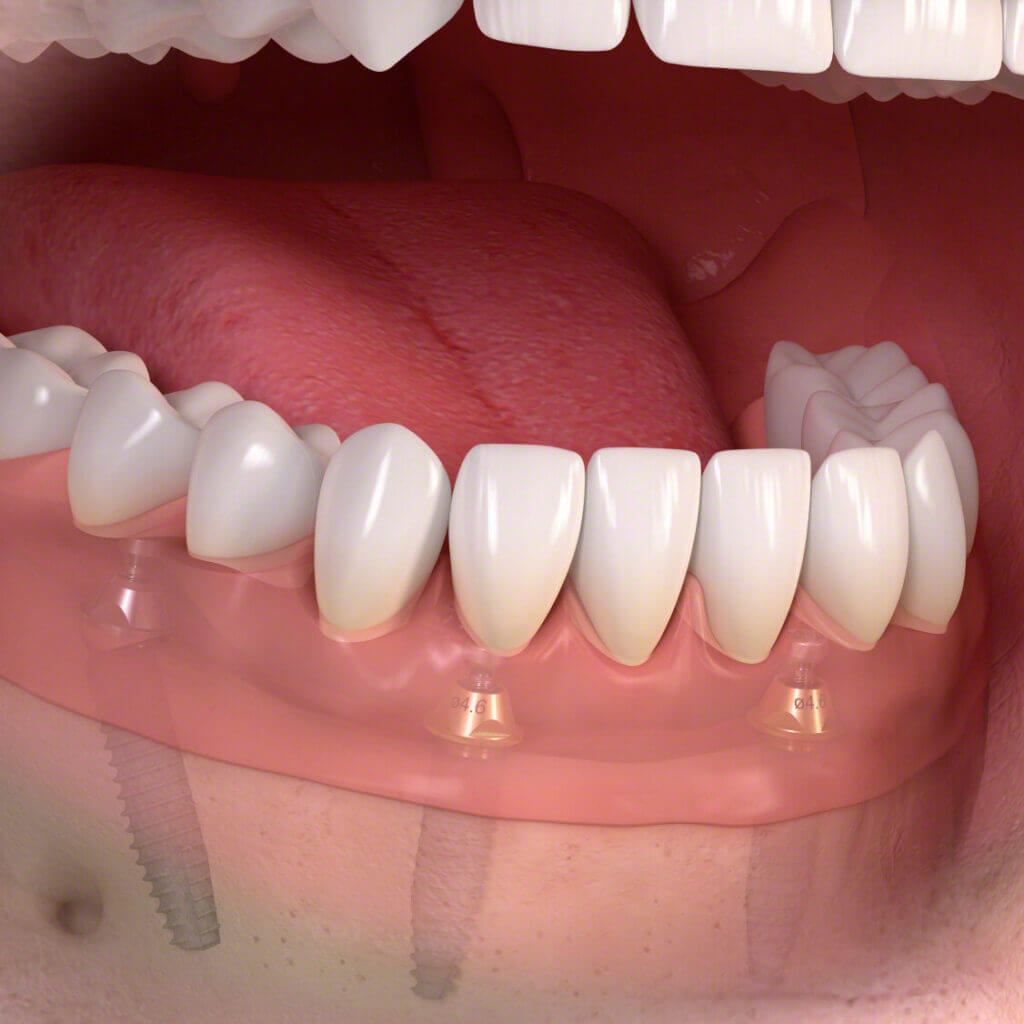
Dental Implant Benefits
Dental implants offer a reliable and long-lasting solution for missing teeth. They provide a natural-looking, functional restoration that can improve both the appearance and function of your smile. Implants are designed to integrate with the jawbone, providing a stable foundation for replacement teeth that look, feel, and function just like your natural teeth.
Dental implants offer several advantages, including improved chewing ability, enhanced facial aesthetics, and the prevention of bone loss in the jaw. They also eliminate the need for removable dentures or bridges, which can be inconvenient and uncomfortable. With proper care and maintenance, dental implants can last a lifetime, making them a wise investment in your oral health and overall well-being.
Preparing for Dental Implant Surgery
Before undergoing dental implant surgery, it's important to consult with a skilled and experienced dentist or oral surgeon. They will thoroughly evaluate your oral health, assess the condition of your jawbone, and develop a personalized treatment plan to ensure the success of your implant procedure.
During the initial consultation, your dentist will discuss the various steps involved in the implant process, including the surgical placement of the implant posts and the subsequent restoration with crowns, bridges, or dentures. They will also address any concerns you may have and provide guidance on the necessary preparations, such as maintaining good oral hygiene and quitting smoking if applicable.
Aftercare and Maintenance for Dental Implants
Proper aftercare and ongoing maintenance are crucial for the long-term success of your dental implants. Following the implant procedure, your dentist will provide specific instructions on caring for the surgical site and managing any discomfort or swelling during the healing process.
Once the implants have fully integrated with your jawbone, it's important to maintain good oral hygiene habits, such as regular brushing, flossing, and professional cleanings. Your dentist may also recommend using specialized cleaning tools or products to ensure the optimal health and longevity of your dental implants. Regular checkups and examinations will also help monitor the condition of your implants and address any potential issues before they become more serious.
Dental Implant Cost and Payment Options
The cost of dental implants can vary depending on factors such as the number of teeth being replaced, the complexity of the procedure, and the experience of the dental professional performing the treatment. While dental implants may have a higher upfront cost compared to other tooth replacement options, they are often a more cost-effective solution in the long run due to their durability and longevity.
To help make dental implant treatment more accessible, many dental practices offer flexible payment plans, financing options, and dental insurance coverage. It's important to discuss the costs and payment arrangements with your dentist during the initial consultation to ensure that you understand the financial commitment and can make an informed decision about your oral health care.
Dental Implant Benefits
Dental implants offer a reliable and long-lasting solution for missing teeth. They provide a natural-looking, functional restoration that can improve both the appearance and function of your smile. Implants are designed to integrate with the jawbone, providing a stable foundation for replacement teeth that look, feel, and function just like your natural teeth.
Dental implants offer several advantages, including improved chewing ability, enhanced facial aesthetics, and the prevention of bone loss in the jaw. They also eliminate the need for removable dentures or bridges, which can be inconvenient and uncomfortable. With proper care and maintenance, dental implants can last a lifetime, making them a wise investment in your oral health and overall well-being.
Preparing for Dental Implant Surgery
Before undergoing dental implant surgery, it's important to consult with a skilled and experienced dentist or oral surgeon. They will thoroughly evaluate your oral health, assess the condition of your jawbone, and develop a personalized treatment plan to ensure the success of your implant procedure.
During the initial consultation, your dentist will discuss the various steps involved in the implant process, including the surgical placement of the implant posts and the subsequent restoration with crowns, bridges, or dentures. They will also address any concerns you may have and provide guidance on the necessary preparations, such as maintaining good oral hygiene and quitting smoking if applicable.
Aftercare and Maintenance for Dental Implants
Proper aftercare and ongoing maintenance are crucial for the long-term success of your dental implants. Following the implant procedure, your dentist will provide specific instructions on caring for the surgical site and managing any discomfort or swelling during the healing process.
Once the implants have fully integrated with your jawbone, it's important to maintain good oral hygiene habits, such as regular brushing, flossing, and professional cleanings. Your dentist may also recommend using specialized cleaning tools or products to ensure the optimal health and longevity of your dental implants. Regular checkups and examinations will also help monitor the condition of your implants and address any potential issues before they become more serious.
Dental Implant Cost and Payment Options
The cost of dental implants can vary depending on factors such as the number of teeth being replaced, the complexity of the procedure, and the experience of the dental professional performing the treatment. While dental implants may have a higher upfront cost compared to other tooth replacement options, they are often a more cost-effective solution in the long run due to their durability and longevity.
To help make dental implant treatment more accessible, many dental practices offer flexible payment plans, financing options, and dental insurance coverage. It's important to discuss the costs and payment arrangements with your dentist during the initial consultation to ensure that you understand the financial commitment and can make an informed decision about your oral health care.